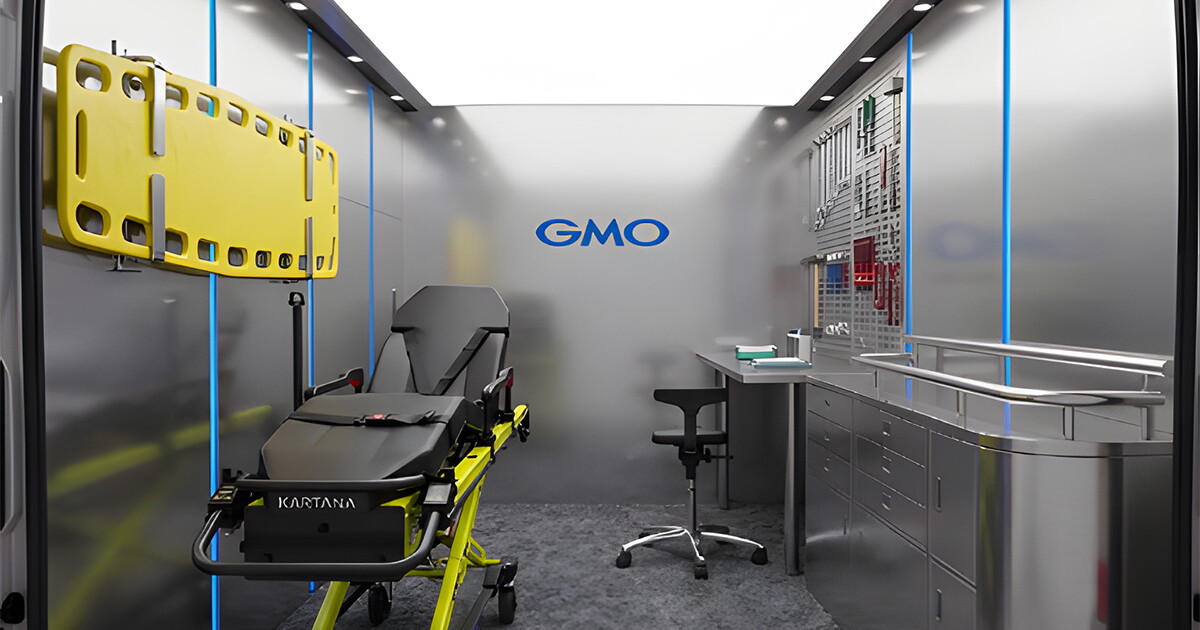
Service Frontier: Tokyo Deploys World's First Emergency Ambulance for Humanoid Robots
Tokyo officially launched an emergency 9-1-1 equivalent for courier androids and service humanoids.
✓ Mobile response units clear traffic jams caused by immobilized 80kg robots;
✓ Specialized crews ca…
Alex Carter
Sep 20, 2026•4 min read
01
Urban Robot Cohabitation: The Need for Specialized Recovery
🚶♂️ The Street Jam Dilemma: An 80kg android seizing on a Shibuya crosswalk cannot simply be dragged away without risking actuator lockups or severe damage to internal gyroscopes.
🛠 Mobile Mechatronic Surgery: Vans carry modular harmonic drive replacements, thermal cameras, and fireproof containment lockers for ruptured lithium packs.
Engineers interface with low-level CAN buses via protected umbilical ports to release locked servo brakes and lift the unit into cushioned cradles.
05
Future Outlook
By 2028, municipal robot retrieval networks will become mandatory regulatory criteria for urban autonomous operations globally.
06
Practical Value
Mitigates sidewalk congestion, eliminates thermal runaway risks from compromised cells, and protects pedestrians from mechanical pinch hazards.
30 seconds
Key facts
Tokyo officially launched an emergency 9-1-1 equivalent for courier androids and service humanoids.
✓ Mobile response units clear traffic jams caused by immobilized 80kg robots;
✓ Specialized crews carry thermal imaging and high-voltage battery discharge rigs;
✓ Lays down standard municipal operating protocols for human-robot cohabitation.
Tokyo officially launched an emergency 9-1-1 equivalent for courier androids and service humanoids.
✓ Mobile response units clear traffic jams caused by immobilized 80kg robots;
✓ Specialized crews carry thermal imaging and high-voltage battery discharge rigs;
✓ Lays down standard municipal operating protocols for human-robot cohabitation.
Want to go deeper?
The Hook & Core Paradox
Why does a metropolis require dedicated emergency rescue units for courier androids?
Between the Lines (Market & Margin Shift)
Dense Tokyo pedestrian corridors prevent bystanders from hauling immobilized 80kg units with locked joints without risking personal injury or mechanical damage.