01
Overview
🧫 Translocation Risk: Sub-100nm plastic particles permeate intestinal epithelium into systemic circulation at 84% capture rate.
Bacterial Trapping
Probiotic strain Lactobacillus aggregates nanoparticles into non-absorbable complexes.
Engineered probiotic strains displaying surface exopolysaccharides capture up to 84% of ingested polystyrene nanoparticles below 100 nm.

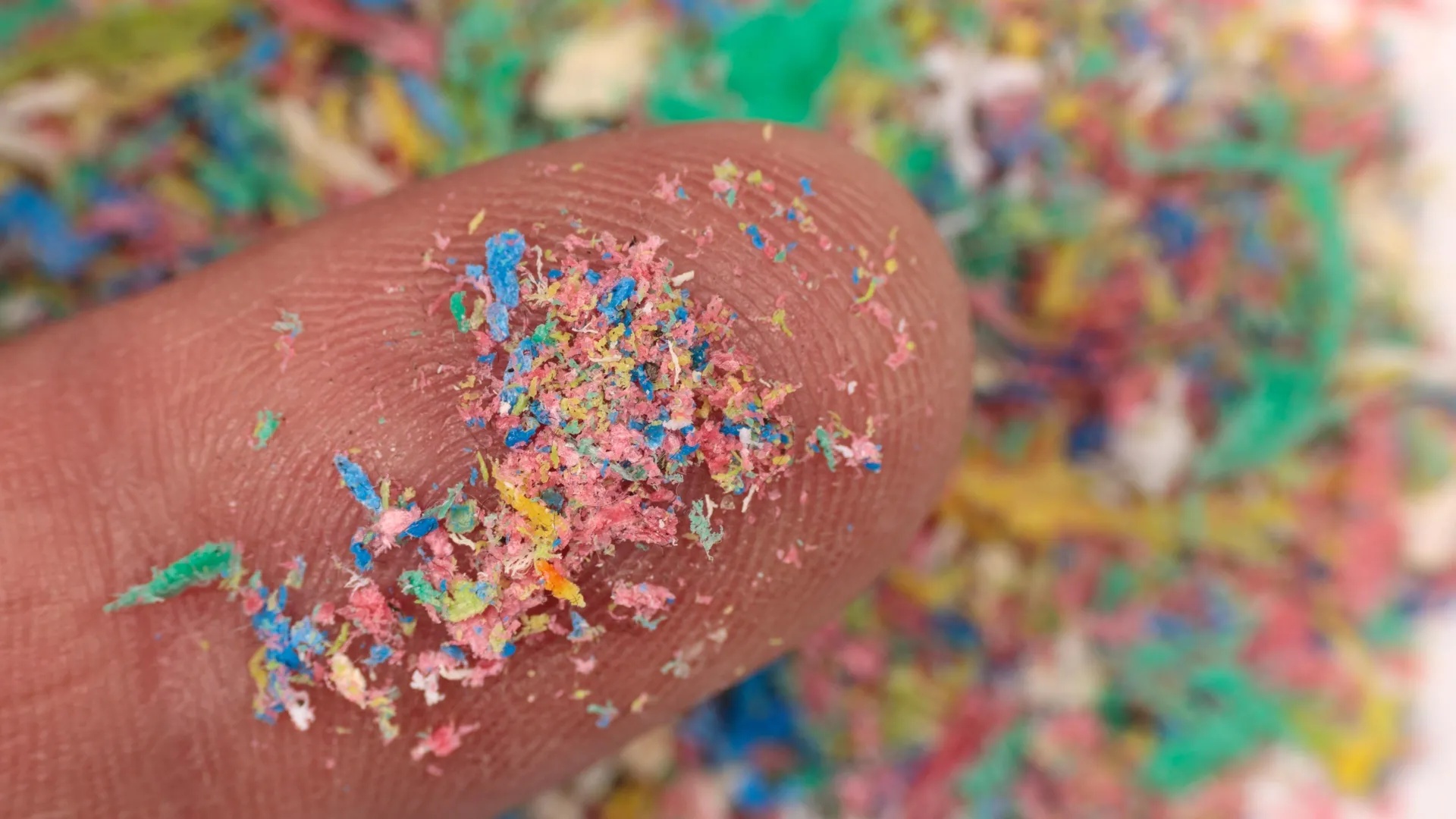
🧫 Translocation Risk: Sub-100nm plastic particles permeate intestinal epithelium into systemic circulation at 84% capture rate.
Было: Passive systemic bioaccumulation across organs without therapeutic recourse ➔ Стало: Active electrostatic binding and clearance of up to 84% nanoparticles
Было: Chronic mucosal inflammation driven by microscopic plastic shards ➔ Стало: Epithelial restoration mediated by probiotic anti-inflammatory metabolites
Clearance Rate: Up to 84% nanoparticles
Strain: Lactobacillus fermentum
Particle Size: < 100 nm
Safety Status: GRAS approved
Engineered probiotic strains displaying surface exopolysaccharides capture up to 84% of ingested polystyrene nanoparticles below 100 nm.
Functional nutrition paradigm: preventive toxicology transitions from synthetic binders to daily probiotic cultures.
Gastric acid survival barrier: sustaining cell viability without denaturing molecular electrostatic traps.
Microbiome shield: engineered homeostatic stabilization of the human gut amidst global plastic pollution.