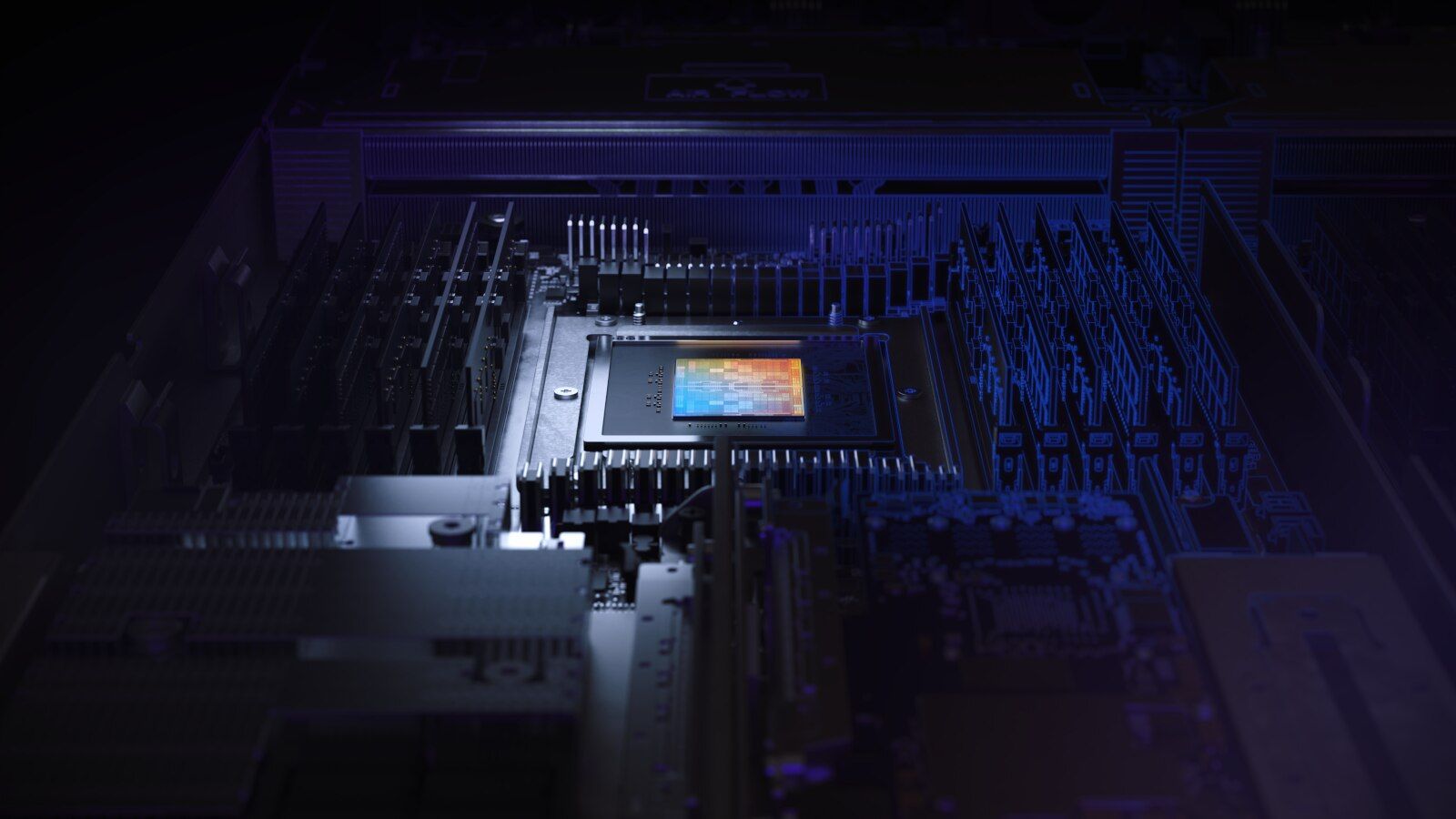
Arm Silicon Sprint: Neoverse CSS N4 Ranger Compute Subsystem with 128 Cores on TSMC N3P and CXL 3.1
Arm has unveiled its semi-custom Neoverse CSS N4 server platform (code-named Ranger). The validated compute subsystem packs up to 128 cores per die on TSMC N3P and slashes hyperscale CPU time-to-marke…
Alex Carter
Sep 08, 2026•5 min read
01
⚙️ Microarchitecture Leap: Inside Neoverse CSS N4
The Compute Subsystems (CSS) N4 Ranger platform is engineered with Armv9.3-A cores optimized for high-density cloud throughput and inference. Each core features SVE2 vector units and SME2 (Scalable Matrix Extension) to accelerate transformer operations directly on the CPU.
Each die integrates up to 128 compute cores with up to 128MB SLC cache and 8-channel DDR5-6400 or LPDDR5X ECC memory.
02
📊 Evolution Matrix: Neoverse CSS N2 vs N4
• Process Node: WAS 5nm (TSMC N5) in N2 : NOW 3nm (TSMC N3P) in N4 Ranger
• Max Cores per Die: WAS 64 cores : NOW 128 cores per die (+100% density)
• PCIe Interface: WAS PCIe 5.0 (32 GT/s) : NOW PCIe 6.0 with PAM4 (64 GT/s)
• AI Coherency: WAS CXL 2.0 : NOW CXL 3.1 with memory pooling
• Perf / Watt: WAS Baseline : NOW +25% compute per watt
• Time-to-Silicon: WAS 13-18 months : NOW 9 months tape-out to silicon
03
💬 Hyperscale Strategic Analysis
—
30 seconds
Key facts
Arm has unveiled its semi-custom Neoverse CSS N4 server platform (code-named Ranger). The validated compute subsystem packs up to 128 cores per die on TSMC N3P and slashes hyperscale CPU time-to-market from two years down to 9 months.
Arm has unveiled its semi-custom Neoverse CSS N4 server platform (code-named Ranger).
The validated compute subsystem packs up to 128 cores per die on TSMC N3P and slashes hyperscale CPU time-to-market from two years down to 9 months.
Want to go deeper?
The Hook & Core Paradox
Strategic significance of "Arm Silicon Sprint: Neoverse CSS N4 Ranger Compute Subsystem with 128 Cores on TSMC N3P and CXL 3.1"
Between the Lines (Market & Margin Shift)
This development reshapes competitive dynamics in the sector.
The Bottleneck (Physical & Engineering Barrier)
Regulatory frameworks and infrastructure readiness remain critical.
3–5 Year Horizon (Structural Shift)
Mainstream adoption expected within 3–5 years.
Chronicle: Past 5 Years
2024–2025
Initial research phase and prototype validation.
2026
Production deployment and commercial integration.
Forecast Scenarios
3 Years
Ecosystem consolidation and protocol standardization.
5 Years
Ubiquitous deployment across operational platforms.
10 Years
Foundation for next-generation autonomous systems.
Arm Silicon Sprint: Neoverse CSS N4 Ranger Compute Subsystem with 128 Cores on TSMC N3P and CXL 3.1 | NewsAndNext